



What Stranger Things Series Teaches Us About Real Friendship
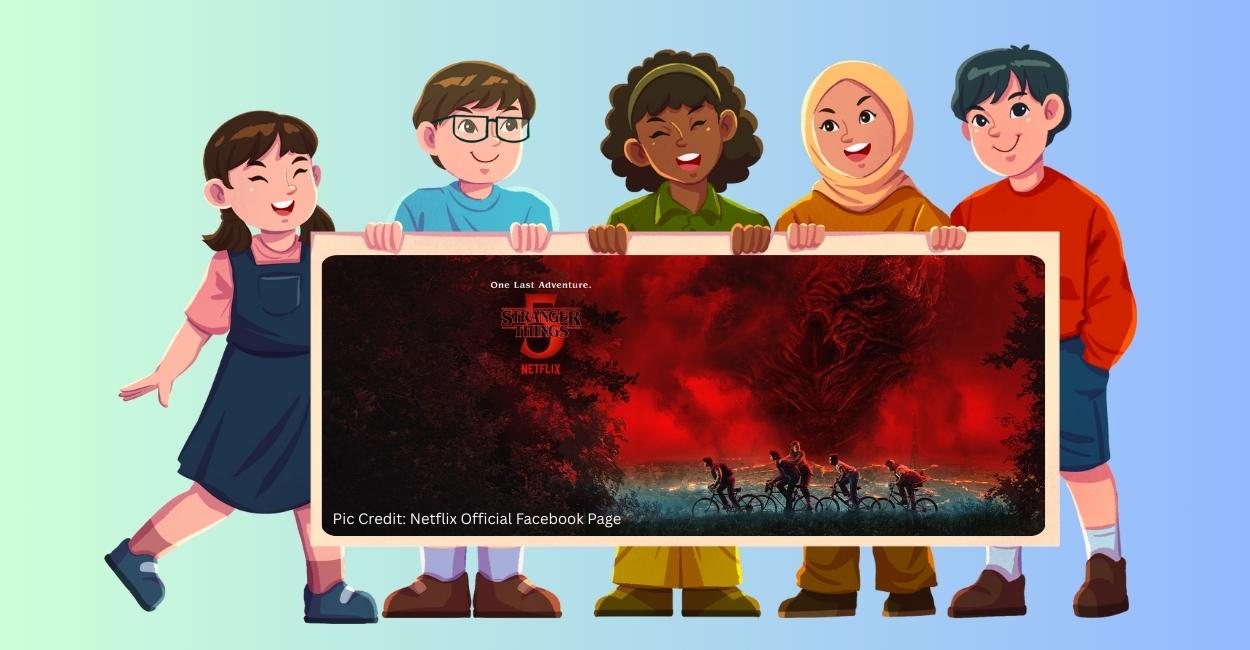
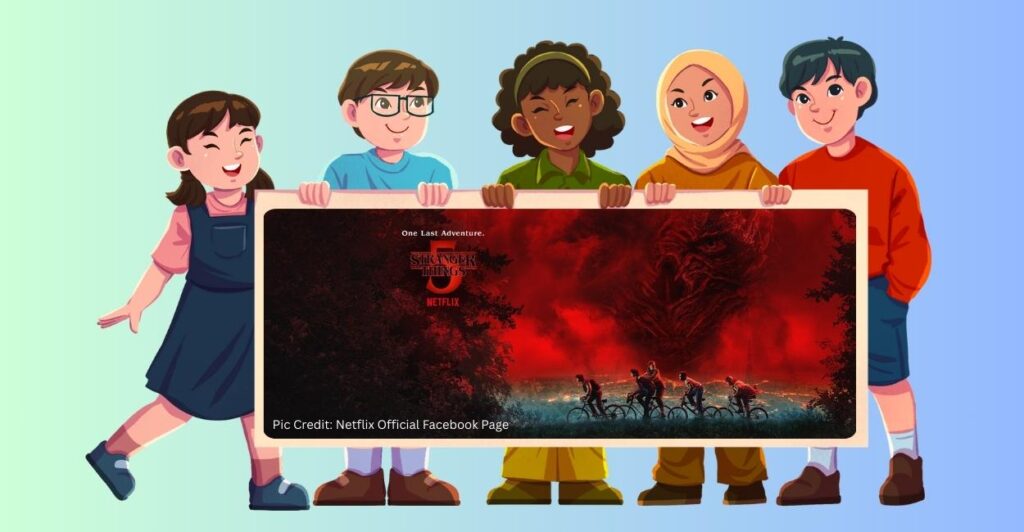
The Stranger Things series has mesmerized millions of viewers since its 2016 debut. While the supernatural elements and 80s nostalgia draw audiences in, its deep exploration of friendship keeps them engaged season after season.
Set in Hawkins, Indiana, the show follows kids facing extraordinary dangers together—from monsters to government conspiracies. Beneath the sci-fi thriller is something human: a tribute to friendships that shape, challenge, and define us.
The series shows that the strongest force isn’t telekinesis or otherworldly powers, but the bonds we build with those who never give up on us.
Friendship Lessons from the Stranger Things Series
Let’s get started –
True Friends Show Up When It Matters Most
The opening episode of the Stranger Things series establishes the foundation for everything that follows. When Will Byers disappears into the Upside Down, his three best friends – Mike Wheeler, Dustin Henderson, and Lucas Sinclair – don’t wait for permission or guidance from adults. They grab their bikes, flashlights, and walkie-talkies, heading straight into the dark woods to search for him.
This immediate response evidently illustrates the show’s main lesson: genuine friendship is about emphasizing each other’s well-being, even when it involves real risk. Whether rescuing Eleven from danger, fighting the Mind Flayer, or confronting Vecna, the core group demonstrates that true friends put one another’s safety first.
The Stranger Things series reminds us that real friendship isn’t about convenience or proximity. It’s about showing up, especially when it’s hard.
Acceptance Signifies Embracing Differences, Not Erasing Them
One of the most stunning aspects of the Stranger Things series is how it portrays Eleven’s inclusion in the friend group. Here’s a girl who spent her formative years as a government experiment, who communicates in broken sentences, and who possesses telekinetic abilities that terrify most people. She couldn’t be more different from the boys if she tried.
Yet Mike, Dustin, Lucas, and Will never ask her to change who she is. They don’t try to “normalize” her or make her fit into a predefined mold. Instead, they create space for her exactly as she exists.
They share their world of Dungeons & Dragons, introduce her to Eggos, and teach her what friendship means through patient acceptance.
Not just Eleven, but Will’s artistic nature, emotional sensitivity, and “being different” are appreciated rather than dismissed as weaknesses. Max brings her fierce independence and skateboarding skills without anyone asking her to soften her edges. Lucas consistently challenges the group’s assumptions and refuses to blindly follow along.
The show’s main lesson here is that meaningful friendships frequently arise from differences and challenges to perspective. True friends help each other grow by seeing the world through new eyes.
Growing Up Doesn’t Mean Growing Apart
As the series progresses, viewers see the characters age from middle school to high school. Growth brings change – new relationships and shifting interests – creating some of the show’s most emotional moments.
Mike’s deepening relationship with Eleven creates distance between him and his friends. The group struggles to maintain its traditions as individual concerns shift. There’s a particularly heartbreaking scene where Will confronts Mike about abandoning their Dungeons & Dragons campaigns, revealing the pain that comes when friends seem to outgrow common interests.
These instances reveal an important lesson: friendships naturally evolve with time. The interests that once bound people may shift, but growth requires adapting together rather than growing apart.
Key takeaway: Growing up may change friendships, but adapting keeps bonds strong.
Honest Friends Tell You What You Need to Hear
Lucas Sinclair is often overlooked in discussions of Stranger Things, but he consistently serves as the group’s voice of reason. In the first season, when everyone else blindly trusts Eleven, Lucas asks the hard questions. He points out inconsistencies in her story and expresses concern about the danger she might bring to the group.
His skepticism doesn’t come from cruelty – but stems from genuine concern for his friends’ safety. Lucas understands something important: real friends don’t just validate your feelings and go along with every idea. Sometimes they push back, question your judgment, and offer perspectives you don’t want to hear.
Remember – “friends don’t lie.”
Real Loyalty Is Chosen, Not Automatic
The Stranger Things series makes an important distinction between blind loyalty and the kind of commitment that comes from conscious choice. The characters aren’t loyal to each other simply because they’ve known each other for years. They repeatedly choose loyalty, even when it costs them something.
Consider Dustin’s situation with Dart, the creature from the Upside Down that he initially tries to keep as a pet. When his friends don’t believe his story about Dart’s transformation, Dustin could easily walk away, feeling betrayed and unsupported.
Instead, he persists in seeking their help because he values their friendship enough to work through the misunderstanding.
Similarly, when Eleven pushes people away to protect them from the dangers her powers pose, Mike refuses to give up on their relationship. He keeps trying to reach her, even when she makes it clear she wants distance.
The Stranger Things series teaches that meaningful loyalty comes from making hard choices: believing in friends despite doubts, and standing by them even when leaving is easier. True loyalty is a conscious commitment, not just a reaction.
Courage Is Contagious Among Friends
If there’s one thing the Stranger Things series makes abundantly clear, it’s that none of these characters would be particularly brave on their own. Will is sensitive and often scared. Mike is just a kid who likes Dungeons & Dragons. Dustin uses humor to mask his insecurities. Lucas questions everything. Max struggles with trauma and grief.
Together, the group accomplishes extraordinary things. They confront Demogorgons, infiltrate Russian facilities, and venture into the Upside Down. The presence of friends turns individual fear into collective courage.
This phenomenon appears repeatedly throughout the series. Steve Harrington’s entire character arc revolves around becoming braver through his friendships with Dustin and Robin. His transformation from self-centered teenager to monster-fighting protector comes about because these relationships inspire him to be more than he ever thought possible.
The show demonstrates that valor is not simply a fixed personality trait but arises from meaningful relationships.
Friendship Requires Fighting Through the Hard Stuff
Perhaps the series’s key lesson is that real friendship isn’t easy. It takes work, forgiveness, tough conversations, and the willingness to face conflict. The show portrays friendship honestly—with all its messiness.
The characters argue. They hurt each other’s feelings. They make mistakes and poor decisions that impact the group. Mike can be controlling. Lucas can be stubborn. Dustin’s need for acceptance sometimes leads him off course. Max pushes people away when she’s hurting. Will struggles with feeling left behind.
The primary lesson of the series is that friendship takes effort and persistence. Real friends work through hard times – and that struggle is what cements strong ties.
Why These Lessons Matter
In a world of digital friendships, the show reminds us what genuine friendship requires: presence, acceptance, honesty, chosen loyalty, shared courage, and conflict resolution. These aren’t new ideas, but they’re rare in practice.
There are no mobile phones or streaming services, yet friends stay connected despite all odds. The series teaches us that our strongest force is the people we choose – those who stand by us and whom we stand by.
Over to you…
The beauty of the Stranger Things series does not lie in its portrayal of perfect friendships but in its honest depiction of imperfect people who keep choosing each other despite everything working against them. That’s the kind of friendship worth aspiring to – the kind that survives monsters, both real and symbolic.