




Navigating the Waters: How to Help Teenage Daughter with Friendship Problems
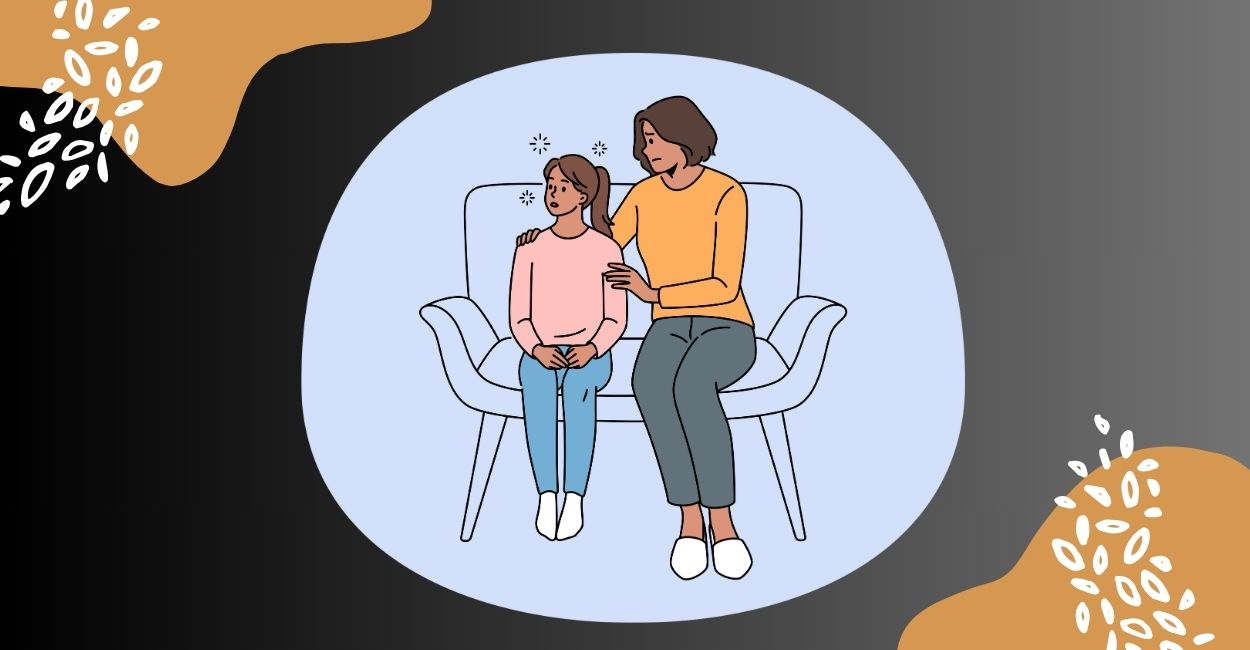
How to help teenage daughter with friendship problems is a concern most parents encounter at some point in time. Undoubtedly, these years are filled with emotional turbulence, shifting identities, and intense peer dynamics.
When friendships wobble—or break—your daughter may feel confused, hurt, or overwhelmed. As a parent, you cannot choose her friends or manage every conflict, but you can guide her with sensitivity, emotional intelligence, and consistent support.
Teenage friendships often feel like lifelines because they become mirrors through which teens see themselves. Besides, any argument, exclusion, or misunderstanding can feel monumental. Furthermore, social media adds to the complexity, where silence, ghosting, or delayed replies can escalate her anxieties.
Despite these challenges, this phase also offers growth opportunities. With the right parenting approach, you can help her better understand relationships, build emotional resilience, and develop lifelong interpersonal skills.
This article offers actionable, research-informed, and compassionate ways to help your daughter navigate friendship challenges with clarity and confidence.
Ways on how to help teenage daughter with friendship problems
Below are structured, practical steps you can take to support her journey. These strategies focus on listening, guiding, empowering, and teaching emotional and interpersonal skills—without taking over her battles.
1. Listen to her fully before giving your perspective
One of the most effective ways to help her is also the simplest—listen without interrupting. Teens often shut down when they feel judged, rushed, or dismissed.
Therefore, it’s imperative to create a safe space for her to share her version of events. Even though you find it minor, still hear her out. Besides, ask gentle, open-ended questions like:
- “What happened after that?”
- “How did that make you feel?”
- “What do you wish had happened?”
Avoid reacting based on your own teenage experiences. Their struggles could trigger your past emotions. However, understand, your daughter needs your calm presence, not an emotional comparison. Listening first ensures she feels respected and understood.
2. Encourage her to recognise her self-worth
Friendship problems can quickly affect your daughter’s body image, confidence, and self-perception.
Remind her that her value is not determined by another teenager’s approval, opinion, or reaction. Highlight her talents and qualities—whether she is empathetic, witty, artistic, responsible, or resilient.
Practical ways to build her self-worth include:
- Helping her list things she loves about herself
- Encouraging hobbies she enjoys
- Praising effort (not just results)
- Celebrating small achievements
When she understands her own value, she will not be influenced by peer pressure and will instead make more emotionally healthy decisions.
3. Normalize the changing nature of friendships
Teen friendships evolve rapidly. Interests shift, groups change, and priorities transform. Your daughter may feel devastated when a close friend pulls away or forms a new group.
Therefore, it’s your job to reassure her that evolving friendships are normal and it isn’t a personal failure. Share your own experiences if appropriate, but keep the focus on her feelings. Explain that:
- Friendships don’t always last forever
- People grow at different speeds
- Disagreements don’t mean the end of a bond
- Some friendships naturally fade without blame
Understanding that change is normal reduces the intensity of her emotional reactions and helps her respond more maturely.
4. Help her process her emotions without invalidating them
Instead of dismissing her emotions with statements like “It’s not a big deal,” help her name what she’s feeling—hurt, betrayal, embarrassment, loneliness, or anger. By naming her emotions, she will be better able to process them.
You can guide her by saying things like:
- “It sounds like you felt ignored.”
- “You seem hurt by what happened.”
- “It makes sense you’re upset.”
Then ask her what solutions she thinks might help. Encouraging her to generate ideas builds emotional maturity and problem-solving skills.
5. Explore together why the friendship ended or shifted
If she has lost a long-term friend, help her understand the situation without blaming anyone. Ask questions to help her analyse the situation:
- “Do you think both of you changed in different ways?”
- “Was there a misunderstanding?”
- “Is this something you want to fix or move on from?”
If both friends are willing, a calm, face-to-face conversation can help clear the air. Teach her to focus on facts rather than assumptions. Approaching conflict with curiosity instead of anger helps her grow socially and emotionally.
6. Guide her in managing time—and social media—wisely
Teenagers often spend hours overthinking messages, posts, and replies. If you notice that your daughter is drowning in online social dynamics, encourage her to take short, healthy breaks from social media. Do not impose strict bans, as that often increases rebellion and secrecy.
Instead, suggest enjoyable offline activities like:
- Going for a walk
- Cooking something together
- Cycling or skating
- Reading or painting
- Spending time outdoors
Healthy distraction gives her emotional space to reset and gain perspective.
7. Teach her not to ruminate on negative thoughts
Teens often replay events repeatedly in their minds, which intensifies stress. Help her understand why rumination is unproductive. Introduce mindfulness techniques such as deep breathing, grounding exercises, or short guided meditations.
Ask introspective questions like:
- “What part of the situation is in your control?”
- “What outcome are you hoping for now?”
- “What does your gut tell you?”
These questions shift her focus from worry to clarity.
8. Help her rebuild or widen her circle
A friendship loss can feel like the end of the world. Encourage your daughter to reconnect with older school friends, neighbours, cousins, or classmates she naturally gets along with.
If she enjoys activities like dance, coding, sports, art, drama, or volunteering, help her pursue them. Activity-based friendships often feel more stable and less dramatic than purely social ones. Meeting new people expands her sense of belonging.
9. Teach her to identify unhealthy behaviour
Help her recognise red flags in friendships, such as:
- Constant criticism
- Manipulation
- Jealousy
- Excluding her intentionally
- Guilt-tripping
- Emotional bullying
Ask reflective questions:
- “How do you feel after spending time with this person?”
- “Do you feel respected?”
- “Do you feel drained or energised?”
If she realizes a friendship is toxic, support her emotionally as she distances herself.
10. Explain what healthy friendships look like
Teenagers often mistake intensity for connection. Teach her the qualities of genuine friendship, such as:
- Mutual respect
- Honesty
- Kindness
- Laughter
- Trust
- Personal boundaries
- Emotional safety
Ask her:
- “Why do you value your closest friend?”
- “What qualities matter to you in a friend?”
- “How do you think you contribute to your friendships?”
These questions help her build deeper self-awareness and choose healthier relationships.
11. Teach her practical conflict-resolution skills
Conflict resolution is a lifelong skill. Help her practise these steps:
Affirm the friendship first.
Statements like “I value our friendship” or “You’re important to me” lower defensiveness.
Use ‘I’ statements.
For example:
- “I felt hurt when you didn’t respond.”
- “I felt left out when I wasn’t invited.”
- ‘I’ statements express feelings without blaming.
Acknowledge her part in the conflict.
Owning mistakes shows maturity and makes reconciliation easier.
Discuss solutions together.
Encourage her to think about what needs to change and what she hopes for moving forward.
Learning this skill early helps her navigate future relationships confidently.
12. Support her in setting healthy boundaries
Many teenage girls struggle with saying ‘no’ because they fear losing friendships. Teach her that boundaries protect emotional well-being. She can:
- Decline plans politely
- Step away from gossip
- Avoid oversharing
- Distance herself gradually from toxic peers
Healthy boundaries ensure she isn’t constantly drained or anxious.
13. Encourage positive role models
Surrounding her with supportive adults—teachers, relatives, mentors, coaches—can help her feel less alone. Role models help reinforce values such as empathy, resilience, and independence.
14. Monitor her mental health gently
Take note of:
- Sudden mood changes
- Withdrawal from activities she loves
- Changes in sleep
- Constant crying
- Loss of appetite
- Signs of anxiety
If needed, consider a child psychologist or counsellor. Early guidance prevents long-term emotional distress.
15. Be her emotional safety net, always
Most teens won’t admit it, but they desperately want emotional safety. Reassure her that she can always come to you without fear of being judged or lectured. When she knows she has a reliable support system, she becomes more open to sharing her struggles.
Closing thoughts
Friendship issues are an inevitable part of growing up, but they also teach powerful lessons—resilience, communication, empathy, and boundary-setting. As a parent, you are not expected to solve every conflict.
Instead, your role is to guide, listen, support, and empower your daughter to navigate these experiences with understanding and strength.
When she knows you are by her side—steady, patient, and non-judgmental—she learns to trust her feelings, develop emotional wisdom, and build healthy, meaningful friendships throughout life.ing preachy and judgmental. Offer her a safe space to share her thoughts and problems with you.