






Nurturing
How to Rebuild Trust With a Friend – 7 Expert-Approved...
Friendships don’t end abruptly. I believe that there’s always an underlying problem that we keep ignoring. Amidst this, one question...


Making a friend is only the beginning. The friendships that carry us through decades are the ones that get tended along the way, through small gestures, honest conversations, repairs after conflict and a willingness to grow alongside each other as life changes. Nurturing a friendship is less about grand displays and more about steady attention, the kind that tells someone they matter even when life is busy.
This is our largest collection of guides, covering everything from rebuilding trust and fixing an argument with a best friend to reconnecting with childhood friends, staying close after marriage and supporting a friend through a breakup. Browse the articles below, then keep reading for our broader guide to the habits, repairs and boundaries that help close friendships stay close for the long haul.











Think of a long friendship less like a finished building and more like a garden. It needs regular, modest care rather than occasional heroic effort. A quick message when something reminds you of them. Remembering the job interview they mentioned and asking how it went. Showing up for the birthday dinner even when you are tired. These small acts accumulate into a deep sense of being known and valued.
Nurturing also means accepting that friendships change shape. A friend who was once part of your daily routine may become someone you see a few times a year, yet the bond can stay strong if both of you keep investing in it. Our guide on how to be a best friend for life explores the qualities that keep long friendships thriving through every season.
Strong friendships tend to share a handful of simple habits. None of them are complicated, but they work best when practiced consistently:
Friendships across generations benefit from these habits too. Our articles on the value of having older friends in your life and on the special bond described in mom best friend relationships show how care and respect deepen connections between people at different stages of life.
Big transitions test friendships. A new job, a move, a wedding, a baby or a health challenge can shift priorities overnight. Friends who are used to seeing each other weekly may suddenly struggle to find a free evening. The friendship does not have to suffer, but it does need to adapt.
Marriage is a common turning point. Time and attention naturally shift toward a partner, and friends can feel left behind. Our guide on how not to lose friendships after marriage offers ways to protect those bonds while building a new household. Workplaces bring their own opportunities, and our article on asking a coworker to hang out shows how a friendly colleague can become a friend outside the office.
During any transition, honesty helps. Let your friends know you are stretched thin and that your quieter presence is about circumstance, not affection. A simple heads up can prevent misunderstandings and keep the door wide open.
Even the closest friends argue. What distinguishes lasting friendships is not the absence of conflict but the ability to repair afterward. When tensions flare, give yourselves time to cool down, then return to the conversation with curiosity rather than a desire to win. Our survival guide for fixing an argument with your best friend walks through this process step by step.
For friendships that feel more seriously strained, our broader guide on how to fix a friendship and mend the bond offers additional approaches for rebuilding closeness after a rough period.
Trust is the backbone of close friendship, and when it cracks, everything else feels shaky. Perhaps a secret was shared, a promise was broken or a friend was not there when you needed them most. Rebuilding takes time and consistent effort from both people. Our guide on how to rebuild trust with a friend covers practical steps, from honest acknowledgment to small, reliable actions that slowly restore confidence.
Sometimes the trust issues come from past experiences rather than the current friendship. If you find yourself guarded with people who have given you no reason to doubt them, our article on overcoming trust issues in friendship may help you understand where that caution comes from and how to soften it gradually.
Many of us carry a list of friends we have lost touch with, not through any falling out but through simple drift. Reaching out after years of silence can feel awkward, yet most people are delighted to hear from an old friend. A brief, warm message that mentions a shared memory is often all it takes to reopen the door.
Our guide on reconnecting with childhood friends shares ideas for rekindling bonds from your earliest years, while our piece on reviving a friendship that has gone quiet covers how to approach someone after a longer or more complicated gap. Go in with modest expectations, let the friendship find its new shape and enjoy rediscovering who your friend has become.
Boundaries might sound like walls, but in friendship they work more like guardrails. They let both people know what feels comfortable, which makes it easier to relax and be generous. A boundary might be about how late you take calls, how much you can lend, or which topics you would rather not discuss. Our guide to setting healthy friendship boundaries explains how to express them kindly and clearly.
Boundaries matter most when a friendship has become unbalanced. If you sense that someone only reaches out when they need a favor, read our article on handling a friend who uses you. Similarly, if a friend has suddenly gone silent, our guide on dealing with a friend who ignores you can help you respond with clarity rather than panic.
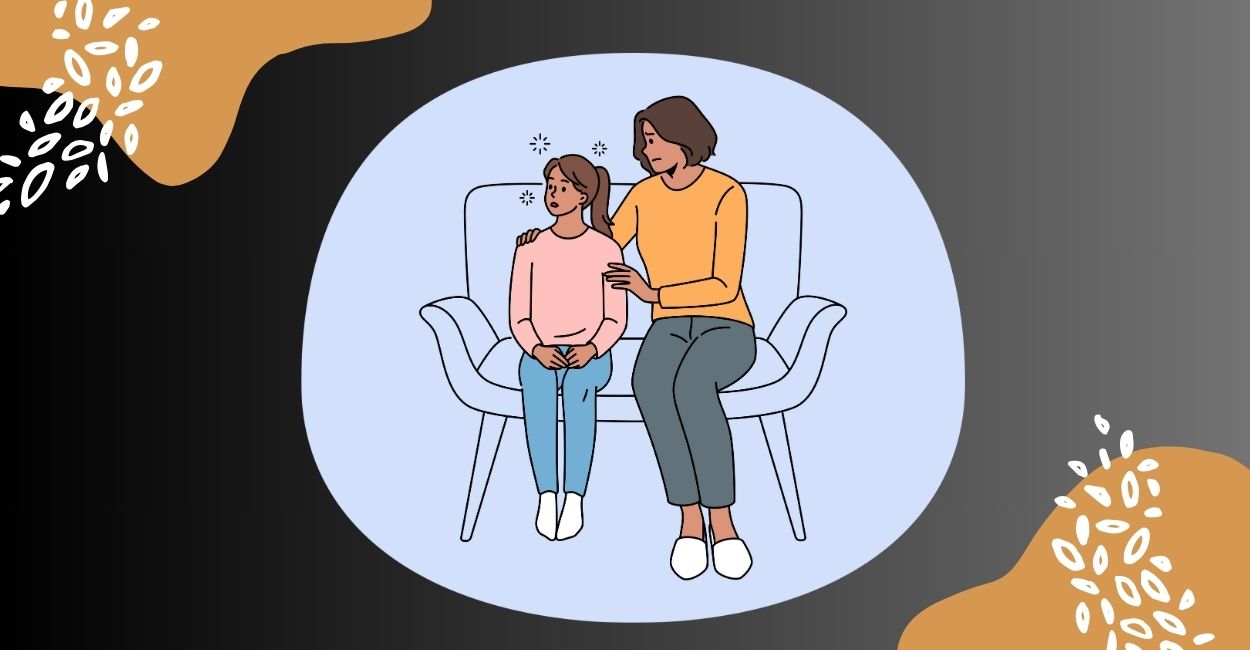
Some of the deepest moments in a friendship happen during hard times. When a friend is grieving, heartbroken or facing discrimination, your presence can matter more than any perfect words. Listen more than you advise, offer concrete help such as dropping off a meal and keep checking in after the first wave of support fades.
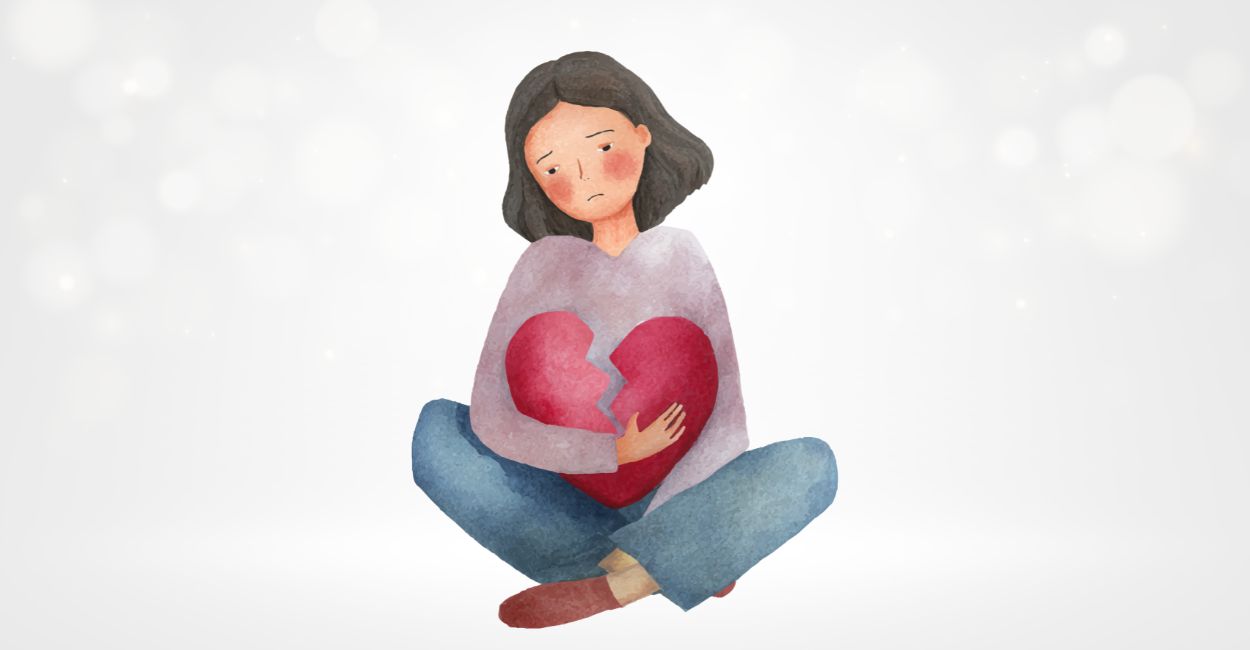
Our guide on helping a friend through a breakup describes how to create a safe, judgment free space for healing. Supporting friends also means standing beside them in who they are, and our article on supporting LGBTQIA+ friends offers thoughtful ways to be a genuine ally year round. These moments of support are often what friends remember long after the hard season has passed, and they are among the truest expressions of what it means to nurture a friendship.